
Filter-Box
Prefilter
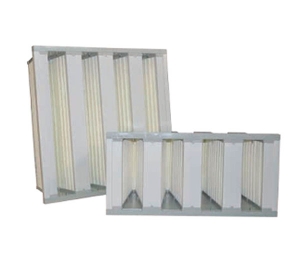
HEPA Filter
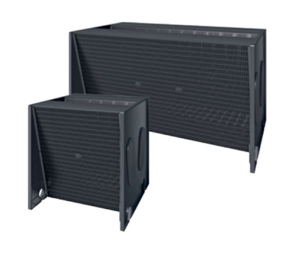
Activated carbon filters
AP Modul
Dry gas treatment
The purpose of the filtration equipment is to control PM (submicron particles). This is of vital importance in the manufacturing process and to comply with the safety requirements established by current regulations.
It works through dry treatment, specifically adsorption, combined with deodorization, where the surfaces of our filters have sufficient reactivity to form chemical bonds with certain reactive gases, the adsorbents.
We have units capable of filtering volatile organic compounds, ammonia and amines, inorganic acids, chlorine, formaldehyde, and alcohol.
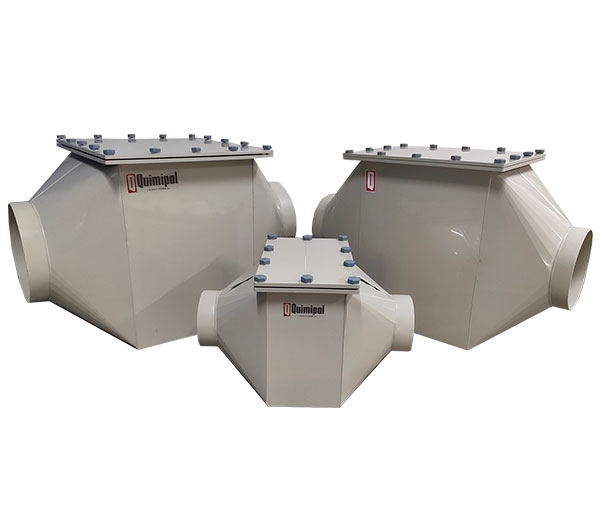
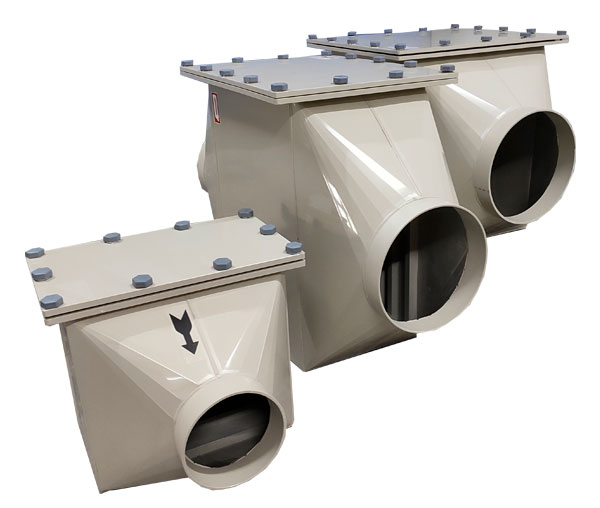
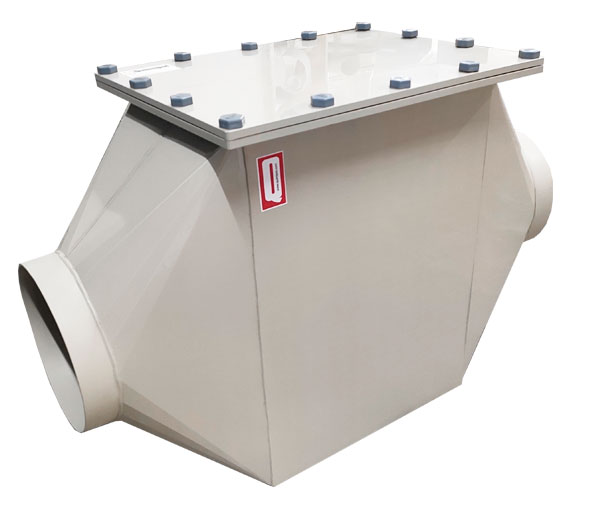
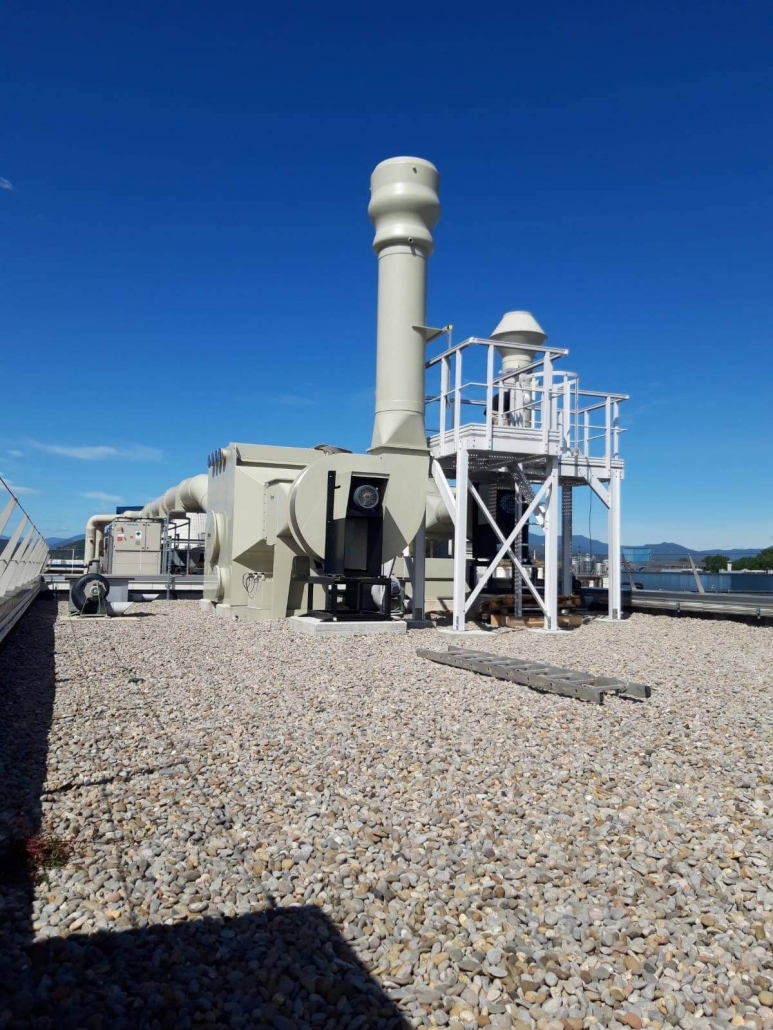
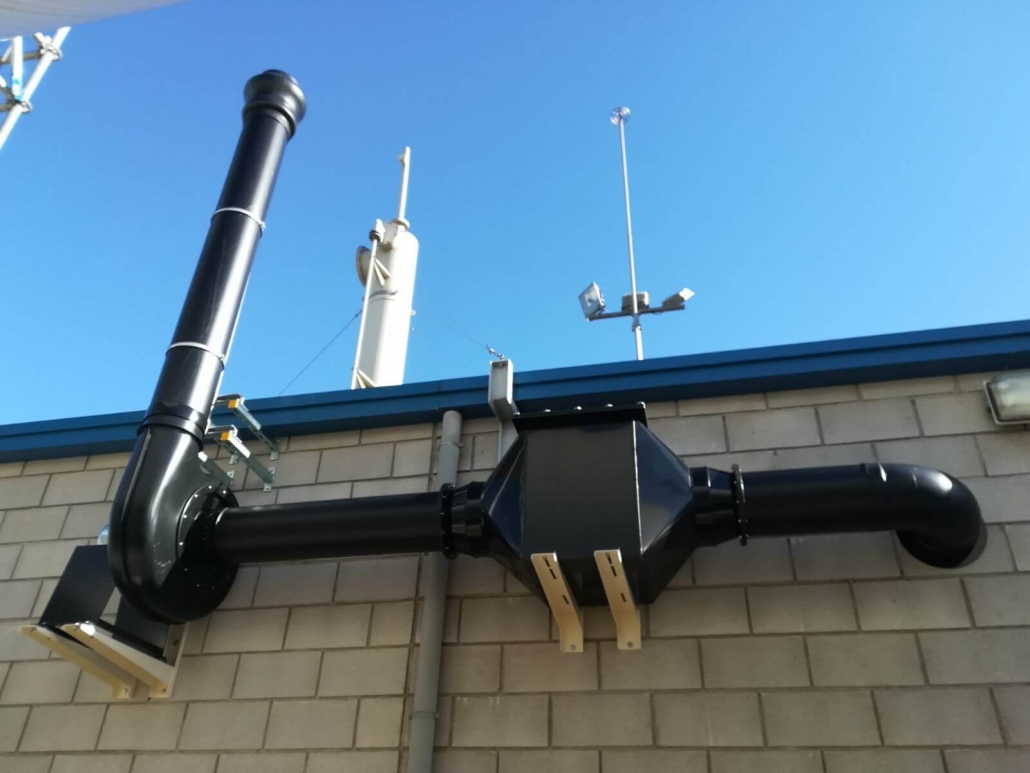
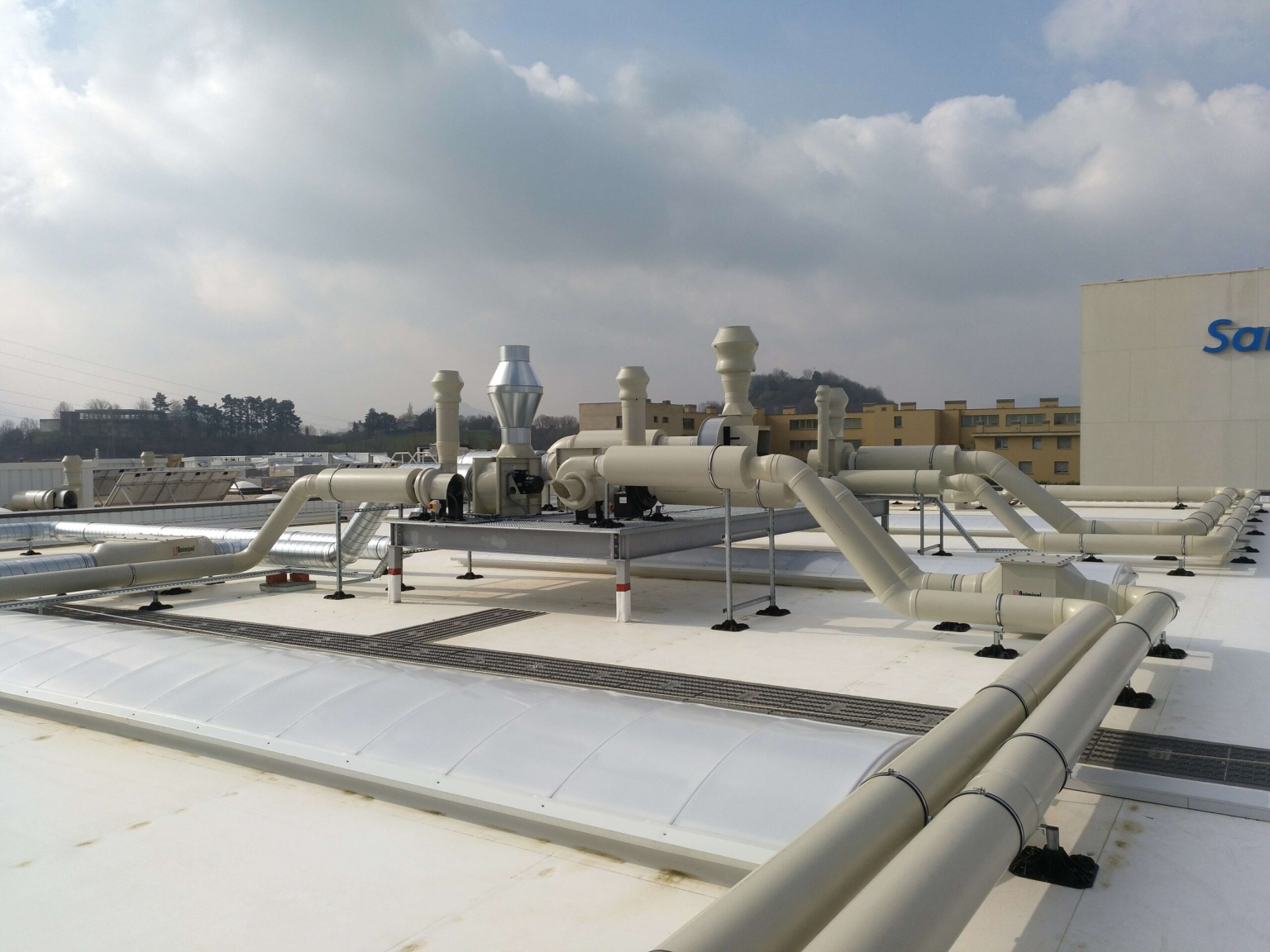
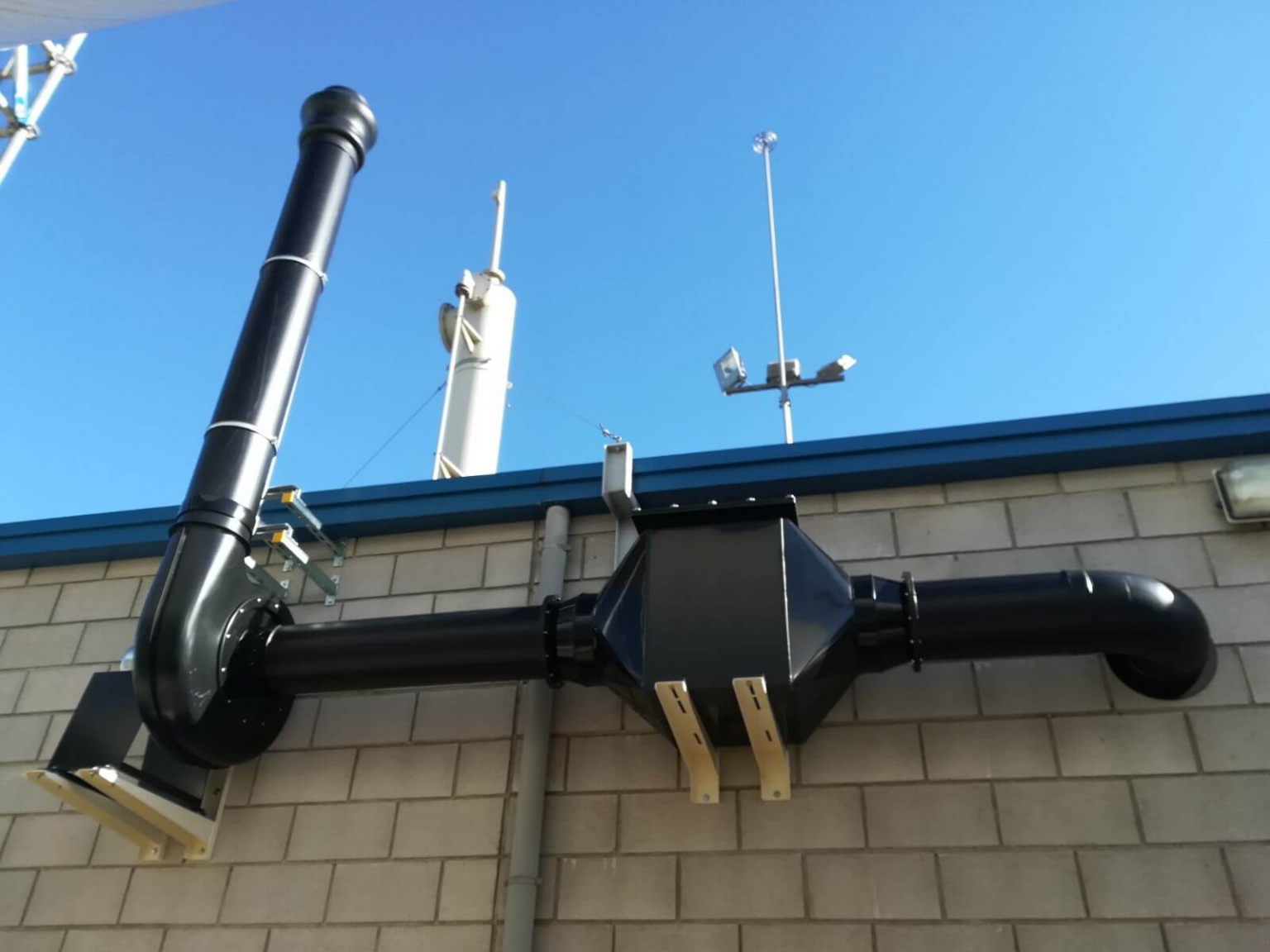
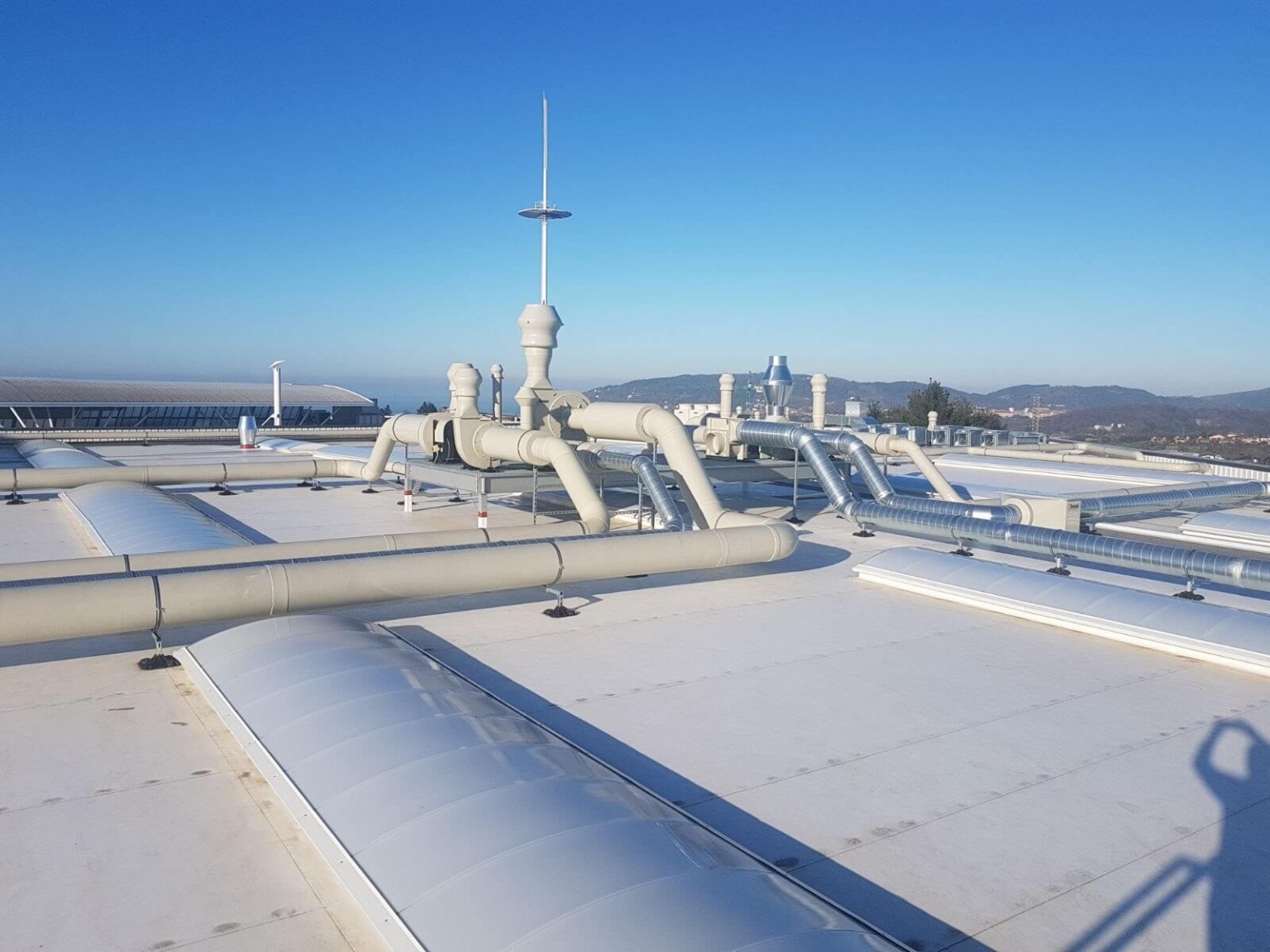
➢ Filter boxes are used to retain corrosive gases before they are released into the atmosphere. The purpose of this equipment is to protect the environment and comply with directives such as CEE and IT-AT-004.
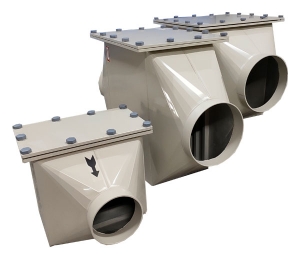
➢ Filter boxes are made of polypropylene (PP-H) in RAL-7032 gray (working temperature up to 80ºC) and electroconductive polypropylene (PP-EL-S) for ATEX-classified areas, or in other plastics for special applications such as polyvinyl chloride (PVC) or polyethylene (PE).
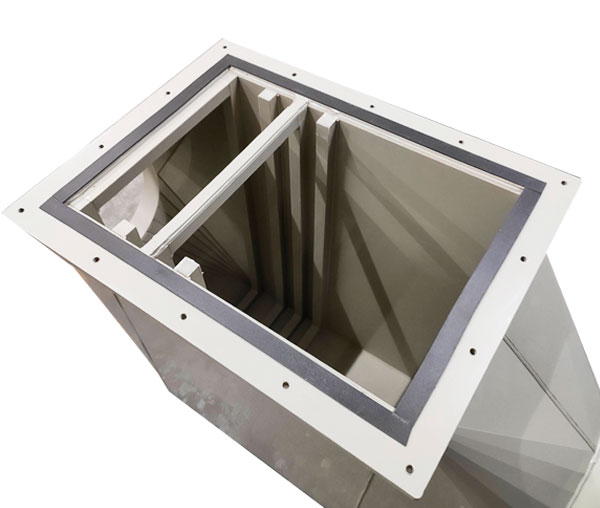
➢ All our filter holders are equipped with a pre-filter slot (larger particle filter) to extend the service life of the filters.
Filter support – Retains gases or particles, preventing their release into the atmosphere
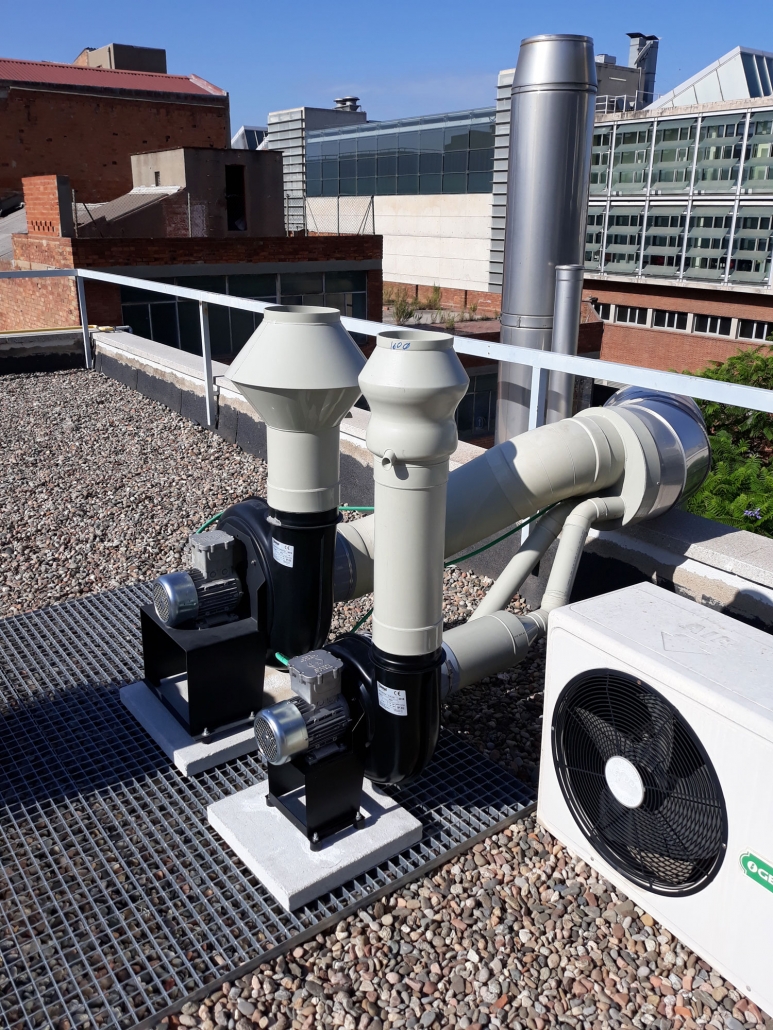
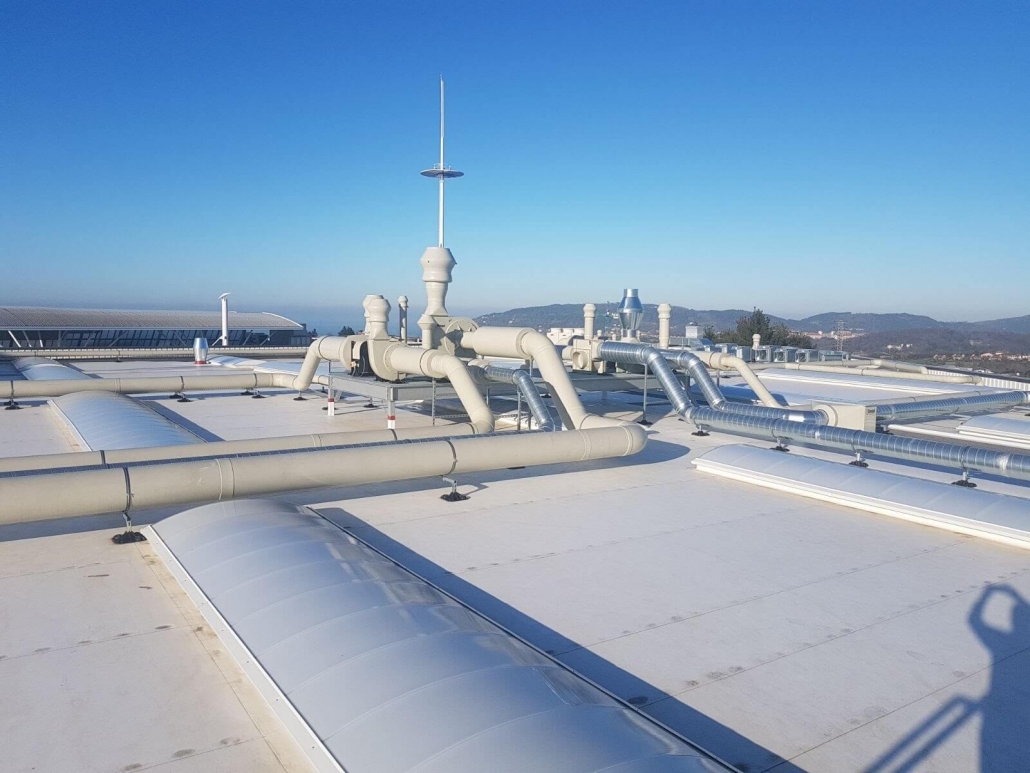
Filter supports are filtration devices used to retain gases or particles to prevent their release into the atmosphere. These compact units are inserted into extraction equipment and can be installed either indoors or outdoors.
Filter holder for AP modules – Units with maximum adsorption capacity
Filter holders for AP modules are high-performance filtration devices used to retain highly concentrated corrosive gases at high concentrations, preventing their release into the atmosphere. These compact units are inserted into extraction equipment and can be installed both indoors and outdoors.
Prefilters
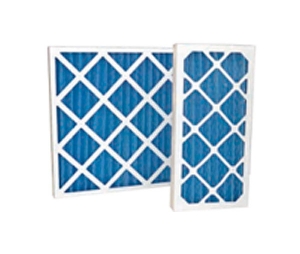
Prefilters are the first stage of gas treatment, as they prevent premature clogging of the main filter. Each filter holder has a special prefilter.
HEPA Filters
Particulate filters, also known as HEPA (High Efficiency Particulate Air) filters, work by trapping solid particles in a randomly arranged mesh of fibers. This mesh is made of glass fiber with a diameter of 0.5 μm. The most important factors to consider in a HEPA filter are the diameter of the fibers, the thickness of the filter, and the velocity of the particles.
Particles stick to the fibers by one of the following mechanisms:
- Interception: when particles in an air stream pass through a fiber and stick to it.
- Impact: when, while in the air stream, large particles cannot avoid the fibers and are forced to hit one of them directly. This effect increases with decreasing fiber spacing and increasing airflow velocity.
- Diffusion: smaller particles, especially those smaller than 0.1 μm, collide with gas molecules. This prevents and slows down their passage through the filter. This behavior is similar to Brownian motion and increases the probability of a particle being caught by one of the two previous mechanisms. It is most prevalent when the air flow is slow.
Absolute filters with polyhedral structure and polystyrene frame. Continuous elastomer seal. Classes from E10 to H13. MPPS efficiency 85% to 99.95%.
Activated carbon filters
Activated carbon has a hexagonal crystalline structure, is extremely porous and can reach surfaces of the order of 500 to 1500 square meters per gram of carbon. This surface varies depending on the raw materials and the activation process.
To understand how activated carbon works, we must first analyze the adsorption process, a phenomenon by which atoms on the surface of a solid attract and retain molecules of other compounds through Van der Waals forces. As this phenomenon occurs on the surface, the larger the available surface area, the better the adsorption.
There are two types of adsorption phenomena:
- Physosorbtion: This is the most common for activated carbon: this type of adsorption does not involve the exchange of electrons between the adsorbent and the adsorbate, which makes the process reversible.
- Chemisorbtion: This is less common: this type of adsorption is usually irreversible, since changes occur in the chemical structures of the adsorbate and the adsorbent.
8 distinct adsorbents are available for retaining different types of compounds.
Activated carbon filters – AP module
Reusable filters with high adsorption capacity
AP modules are V-shaped plastic cassettes made of granular activated carbon. These filters are reusable thanks to the removable side cover, so the carbon can be replaced and the cassette can be reused. This type of chemical filter is characterized by a higher adsorption capacity than other disposable filters
Need help in choosing a product?