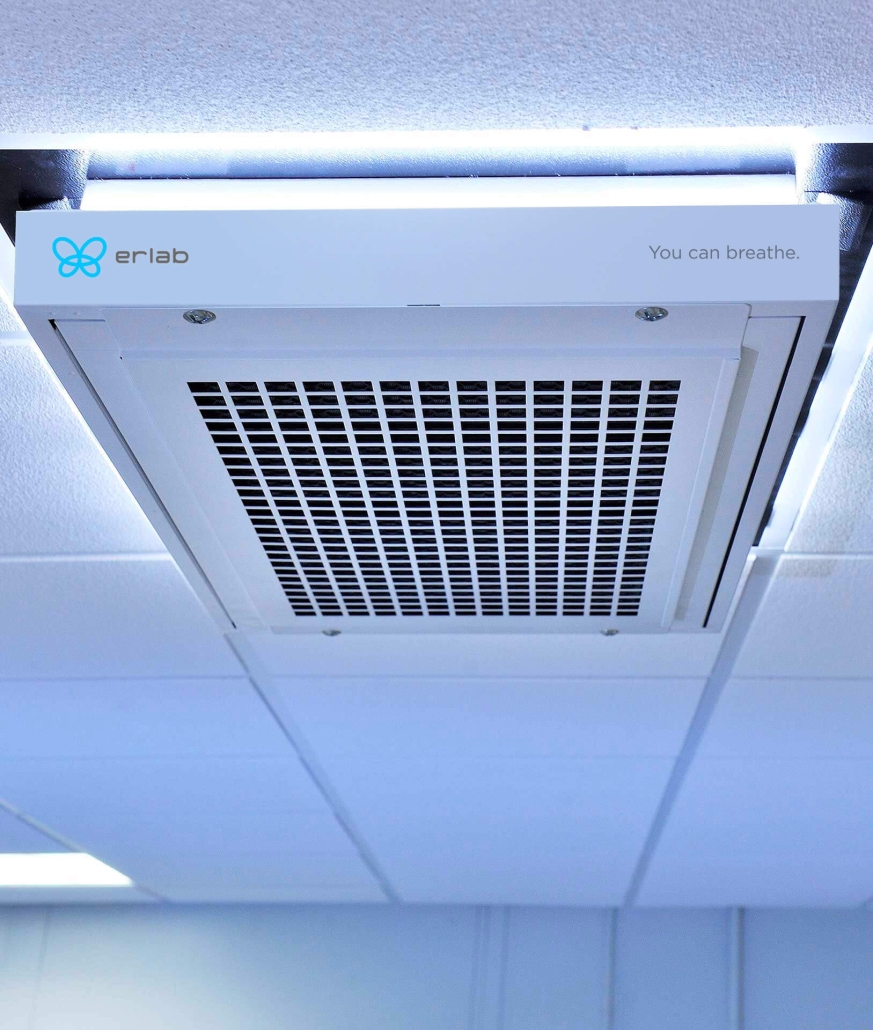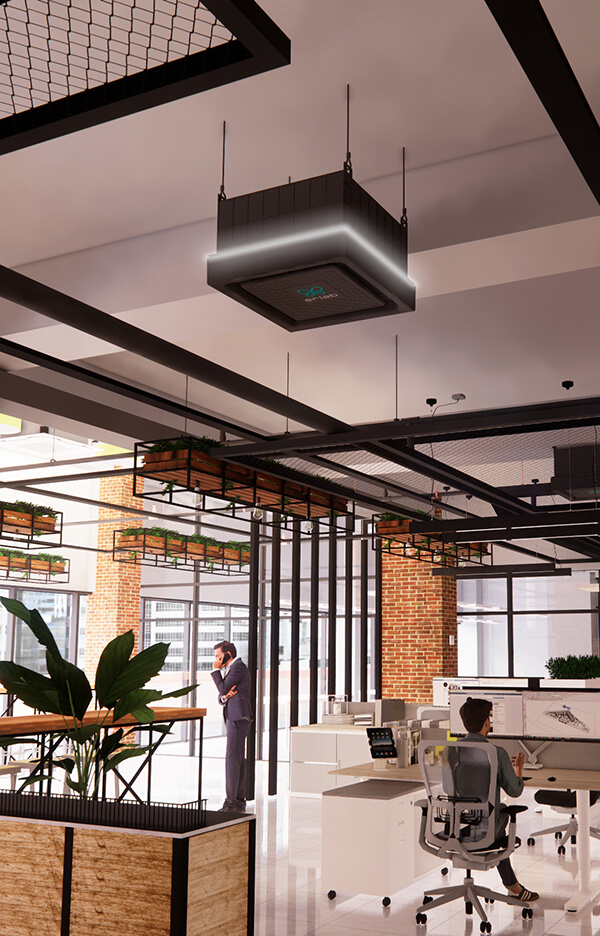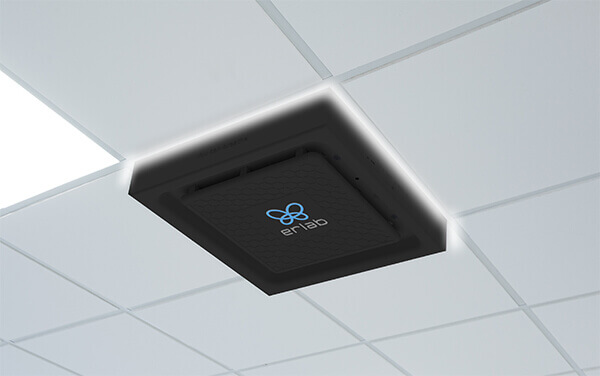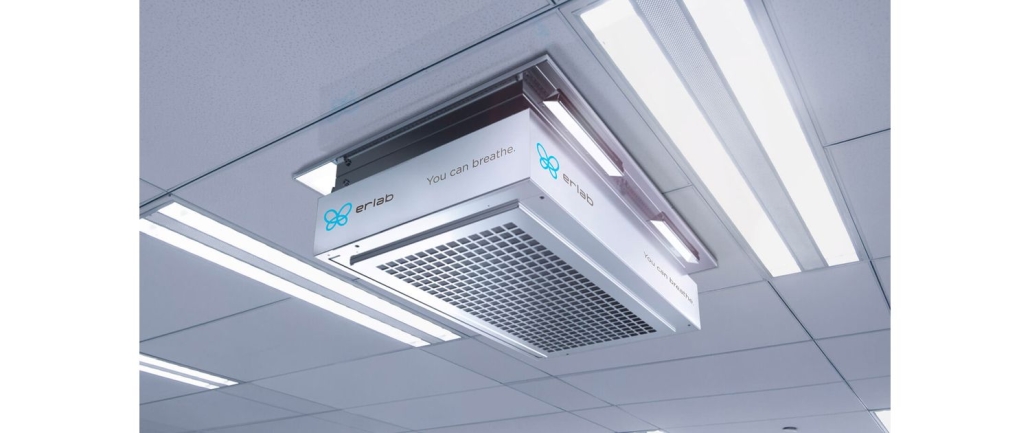
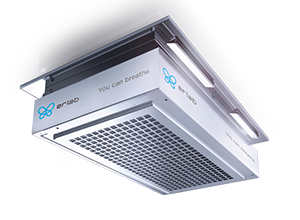
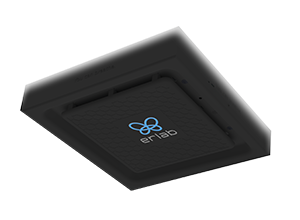

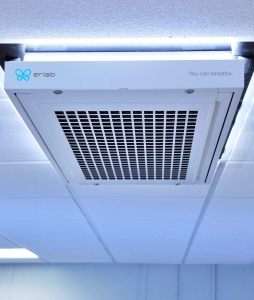
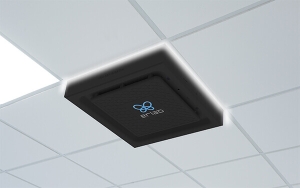
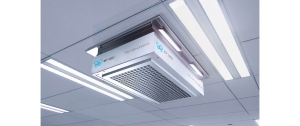
Solutions for offices, schools, kindergartens, nurseries, enclosed public spaces
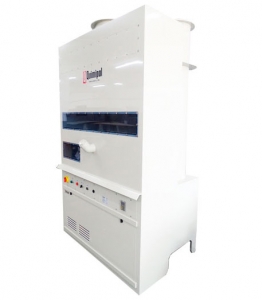
These air purification stations are particularly recommended for spaces where room ventilation is very poor and social distancing is limited (enclosed offices, classrooms, modular solutions for receiving the public, elevators, etc.).
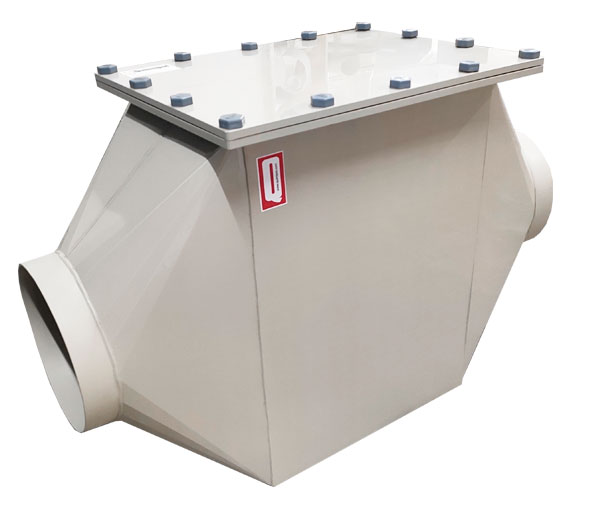
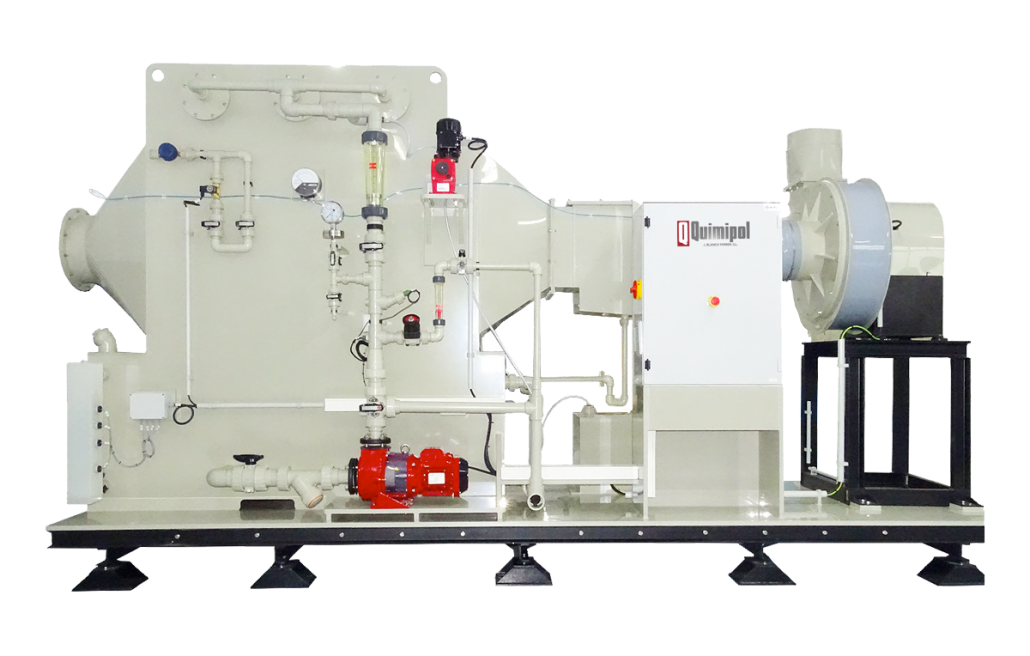
Solutions for laboratories
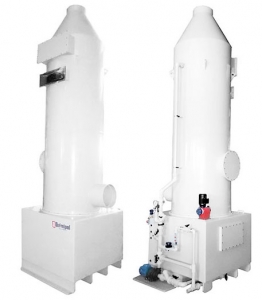
Customized solutions tailored to the demanding needs of laboratories and the chemical industry.
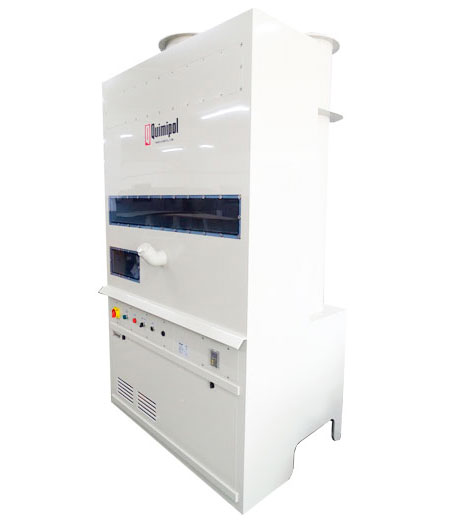
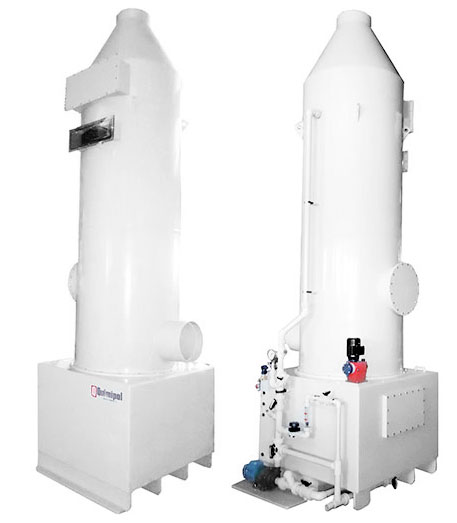
Industrial solutions
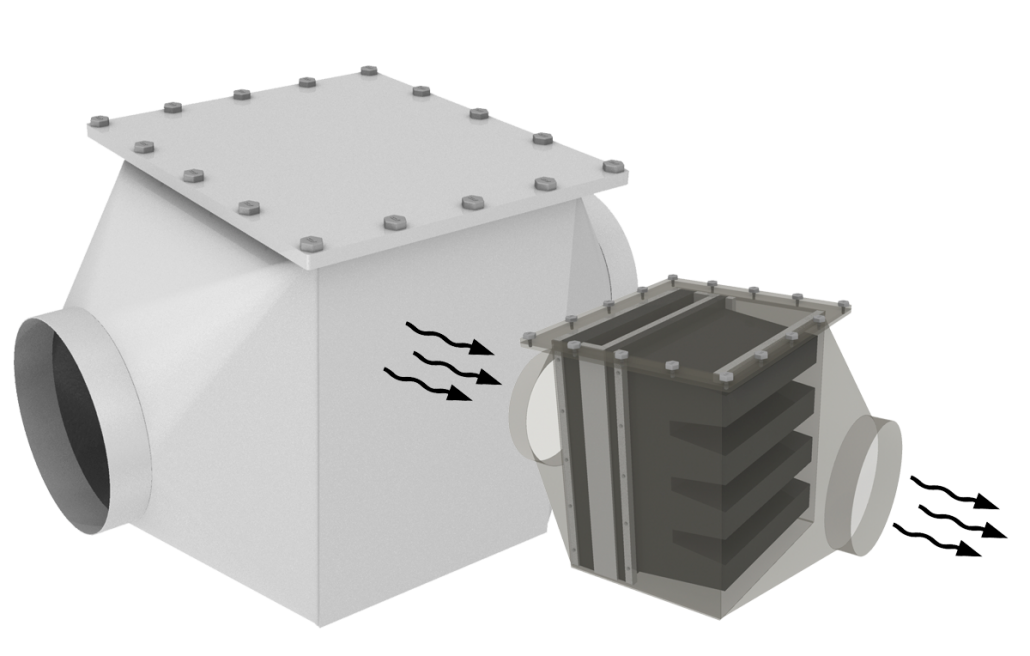
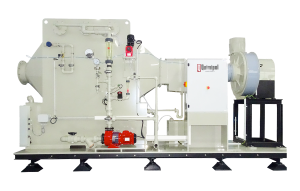
Customized solutions for high flow rates using advanced techniques for gas extraction and treatment for various sectors.
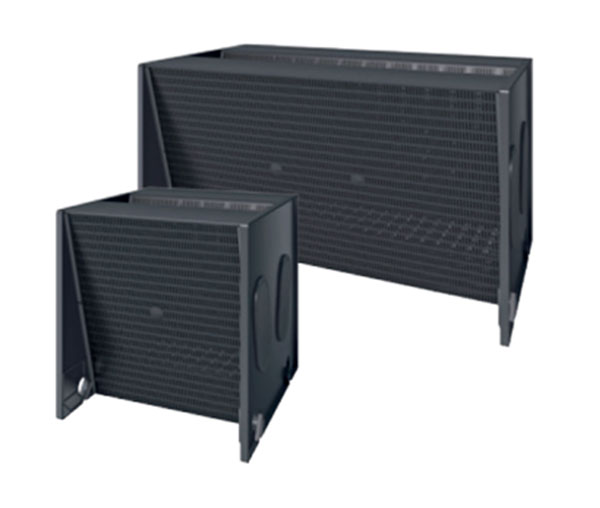
Air filtration systems with Recirculation:
Our recirculation filtration systems are designed to purify and recirculate indoor air, ensuring a healthy and comfortable environment. These systems are ideal for spaces where it is not necessary or possible to exhaust air to the outside.
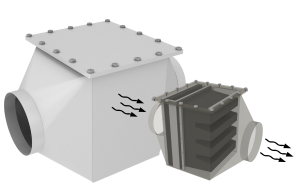
Air filtration systems with Exhaust:
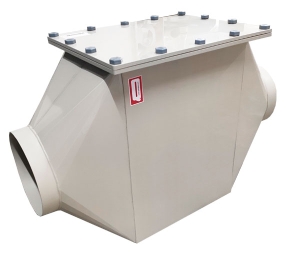
For applications requiring the removal of contaminated air, we offer filtration solutions with exhaust.
Air filtration: A key component in obtaining cleaner air
With growing awareness of air pollution and its harmful effects on health, air filtration has become an essential consideration in both residential and industrial settings. The European Union (EU) has recently introduced new regulations to improve air quality.
The new rules adopted by the Council and the European Parliament set stricter standards for air quality, in line with the recommendations of the World Health Organization (WHO). Among the main measures are:
- Reduction of annual limit values for PM2.5 from 25 µg/m³ to 10 µg/m³ and for NO2 from 40 µg/m³ to 20 µg/m³.
- Setting target values for other atmospheric pollutants, including sulfur dioxide (SO2), benzo(a)pyrene, arsenic, lead, and nickel.
The importance of air filtration
Air filtration plays a crucial role in reducing air pollutants such as fine particles (PM2.5 and PM10), nitrogen dioxide (NO2), and ozone (O3). These particles and gases are associated with various health problems, including respiratory and cardiovascular diseases, diabetes, and cancer. In 2020, exposure to fine particles caused the premature death of approximately 238,000 people in the EU1.
Air filtration systems are designed to remove contaminants from the air, including dust, pollen, mold, bacteria, and harmful gases. These systems are essential in various environments, from homes and offices to industrial facilities, to ensure that the air we breathe is clean and safe.
Types of Air Filtration Systems:
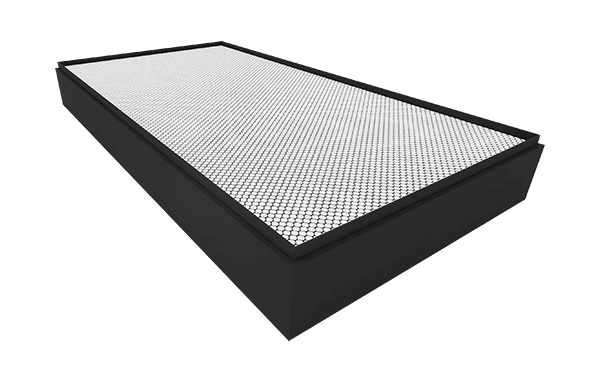
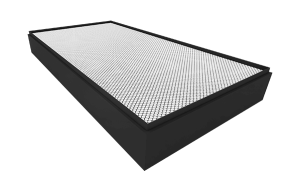
- HEPA (High-Efficiency Particulate Air) filters: These filters are capable of capturing extremely small particles, down to 0.3 microns, with 99.97% efficiency. They are widely used in medical and industrial environments, as well as in air purifiers for home use.
- Activated Carbon Filters: These filters are effective in removing unpleasant gases and odors by adsorbing volatile organic compounds (VOCs) on the surface of activated carbon.
- Electrostatic Filters: They use an electric charge to attract and capture particles in the air. They are effective in removing fine particles and allergens.
- UV (Ultraviolet) Filters: They use ultraviolet light to destroy bacteria and viruses captured by filters. They are often used in combination with other types of filters to ensure complete air purification.
Air filtration systems are essential for maintaining a healthy and comfortable environment. By removing pollutants and allergens from the air, these systems contribute significantly to improving quality of life. Investing in an efficient filtration system is not only a measure of comfort, but also one of long-term health protection.
Whether it’s industrial environments, medical laboratories, schools and kindergartens, offices or homes, we have efficient and customized solutions tailored to each type of environment.
If you have any questions or would like to discuss our air filtration solutions, please don’t hesitate to contact us!
We can help you improve air quality and create a healthier, more comfortable environment.

Need help choosing a product?